
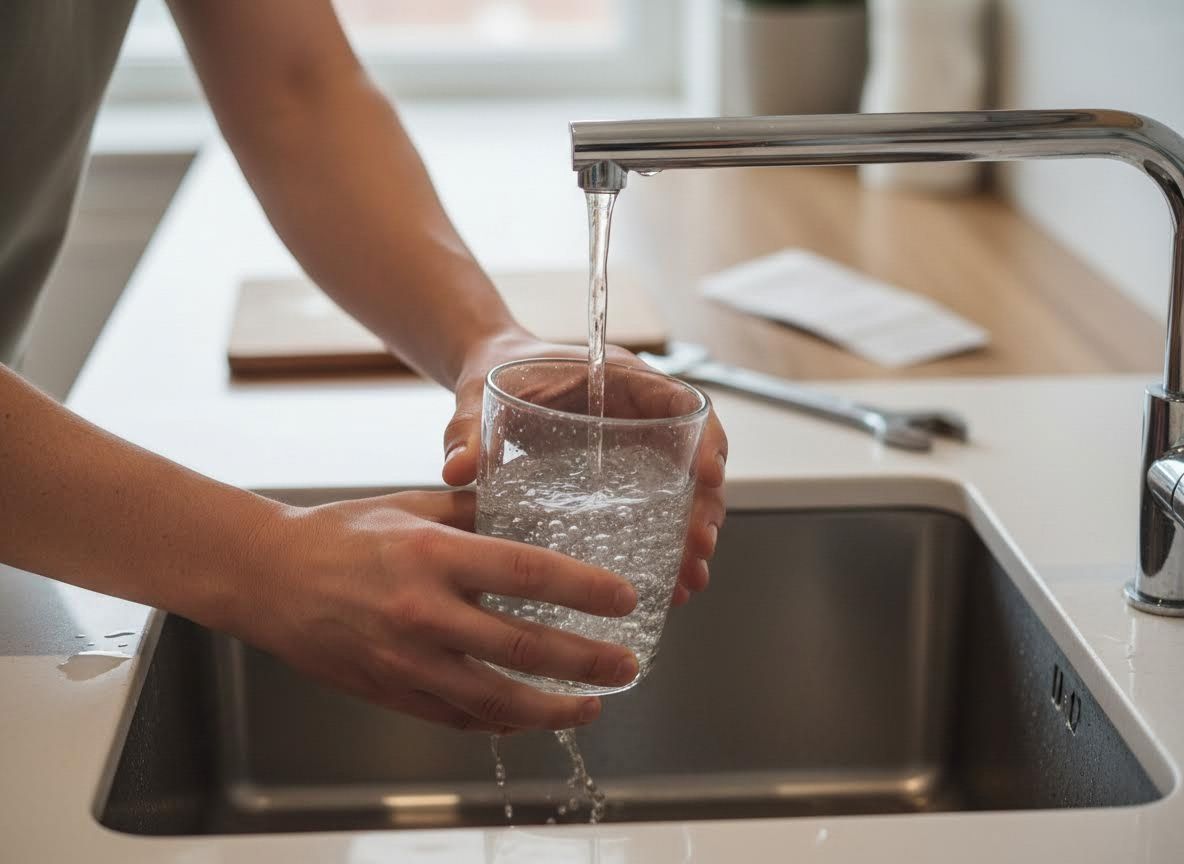
For homeowners relying on a private water source, a properly functioning water well pump is essential for daily life. When your well pump starts to falter, it can quickly lead to inconvenient disruptions and potentially costly repairs if not addressed promptly. Understanding the early indicators of a failing pump can save you time, money, and stress, ensuring your family always has access to reliable water, a core principle Texas Well and Pump stands by.

Fluctuating Water Pressure
One of the most noticeable signs that your well pump might be struggling is inconsistent water pressure throughout your home. You might experience strong pressure one moment, only for it to dwindle to a trickle the next, or observe significant pressure drops when multiple fixtures are in use. This fluctuation can indicate issues such as a faulty pressure tank, a partially clogged water well pump intake, or a pump that can no longer maintain adequate pressure due to wear and tear. Ignoring these pressure changes can put additional strain on the system, leading to more severe problems down the line.
Strange Noises or Constant Cycling
Your well pump typically operates quietly beneath the surface, or with a consistent, familiar hum from the pressure tank. If you start hearing unusual noises—such as grinding, rattling, clicking, or even a sudden increase in volume—it’s a strong warning sign. Similarly, if your pump seems to be running much more frequently than usual, or "cycling" on and off even when no water is being used, it suggests a problem. This constant cycling can indicate a pressure switch issue, a system leak, or a pump working harder than it should to maintain pressure, shortening its lifespan.
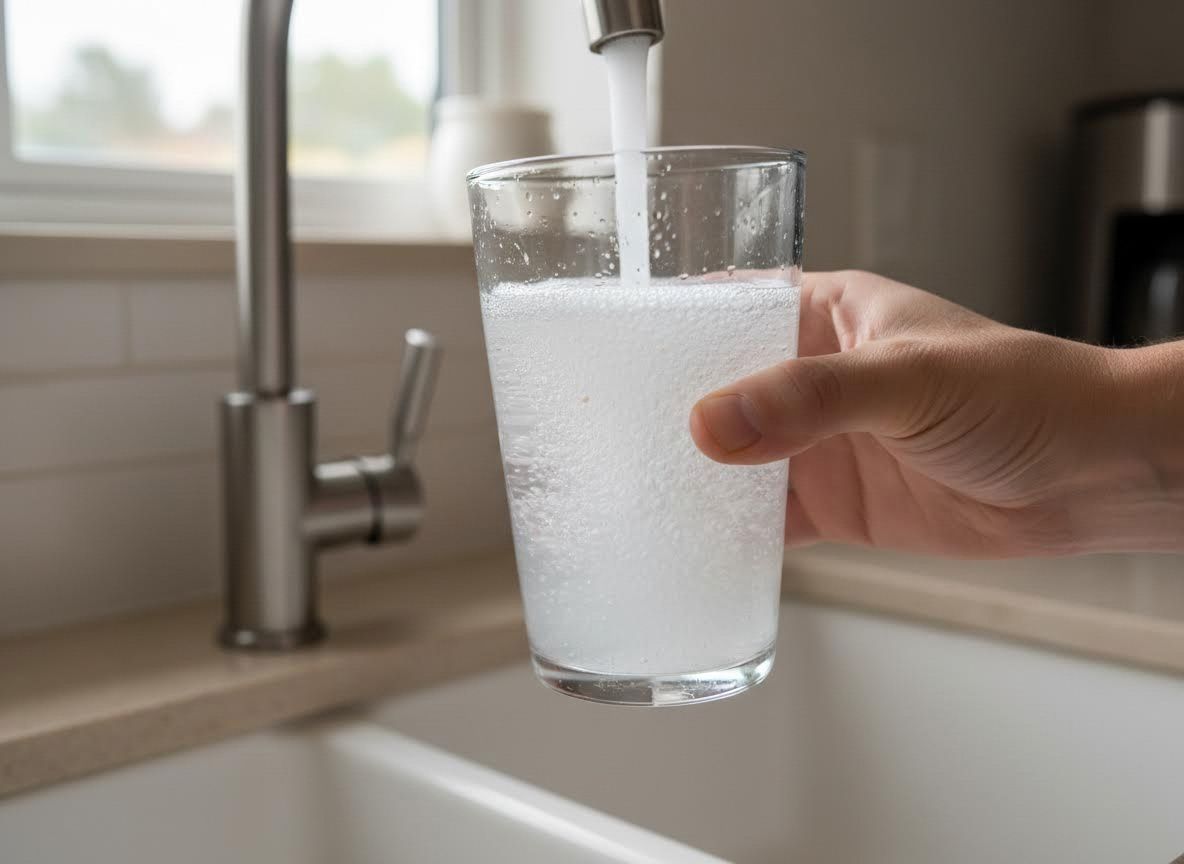
Air in the Water or Cloudy Water
If you turn on your faucet and notice sputtering water with air bubbles, or your water appears cloudy, milky, or contains visible sediment, your pump could be the culprit. Air in the lines might indicate a drop in the well's water level, a leak in the suction line, or a pump running dry. Cloudy or sediment-filled water, while sometimes related to the well itself, can also occur if the pump is stirring up debris from the bottom of the well due to improper placement or if parts are failing and releasing sediment. These issues can not only affect water quality but also indicate a larger problem with your water supply system.
Unexplained Increase in Electric Bills
A failing water well pump often becomes less efficient as it works harder to supply the necessary water pressure. This increased effort translates directly into higher electricity consumption. If you notice a sudden, unexplained spike in your utility bills and you've ruled out other major appliances, your pump could be drawing excessive power. An inefficient pump isn't just a financial burden; it's a clear indicator that the motor or other components are struggling, making it a prime candidate for repair before a complete breakdown occurs.
Your Well's Lifeline
Recognizing these four crucial signs early can make all the difference in preventing a minor issue from becoming a costly emergency. A proactive approach to well maintenance and timely well pump repair not only extends the life of your equipment but also ensures a consistent supply of clean water for your home. For reliable residential well service, including checks on your water well pump and well water filtration system, understanding your system's needs is key. Consider reaching out to Texas Well and Pump for an inspection if you notice any of these warning signs to keep your water flowing smoothly.