
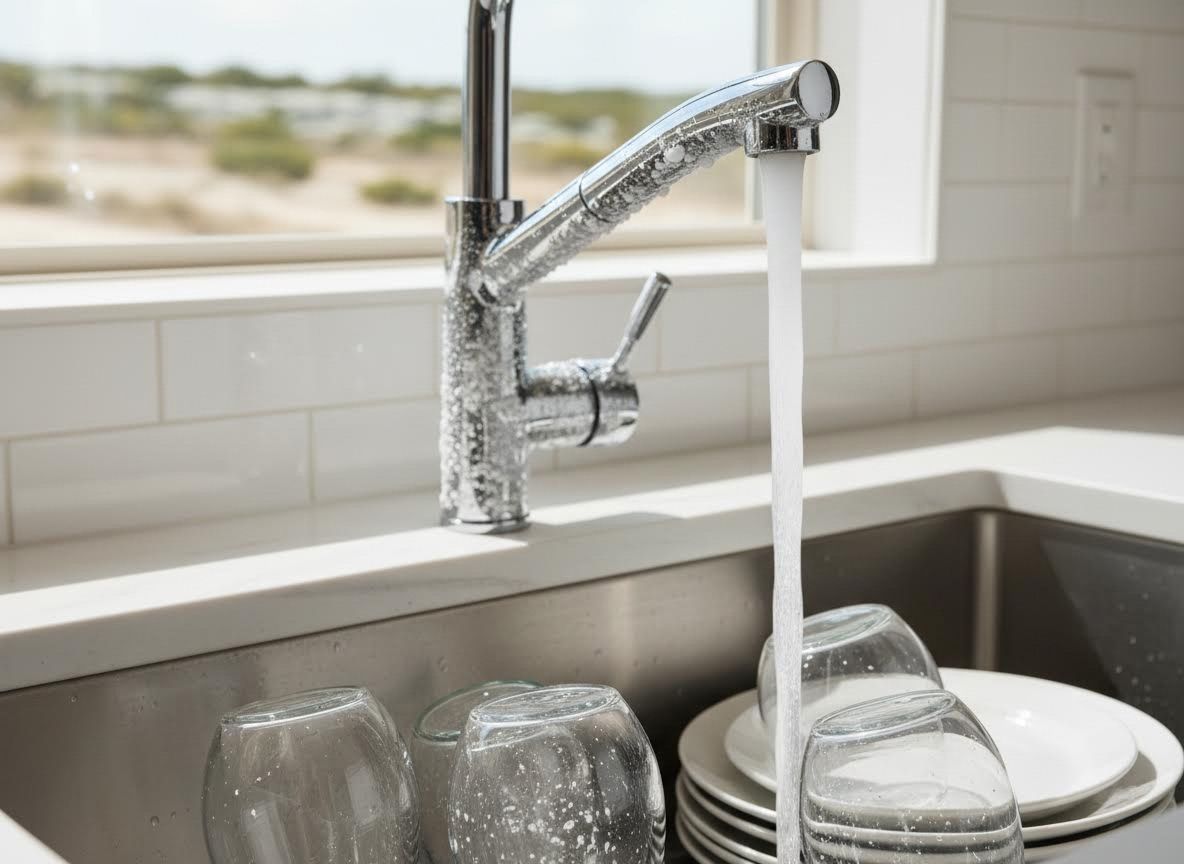
Living in Texas, you're likely familiar with the term "hard water," but do you truly understand its pervasive effects on your home's water system? This natural phenomenon, characterized by high mineral content, is a common challenge for many Texans, especially those relying on well water. At Texas Well And Pump, we frequently help homeowners navigate the issues caused by hard water, which can silently diminish the efficiency and lifespan of your essential well components and household plumbing.
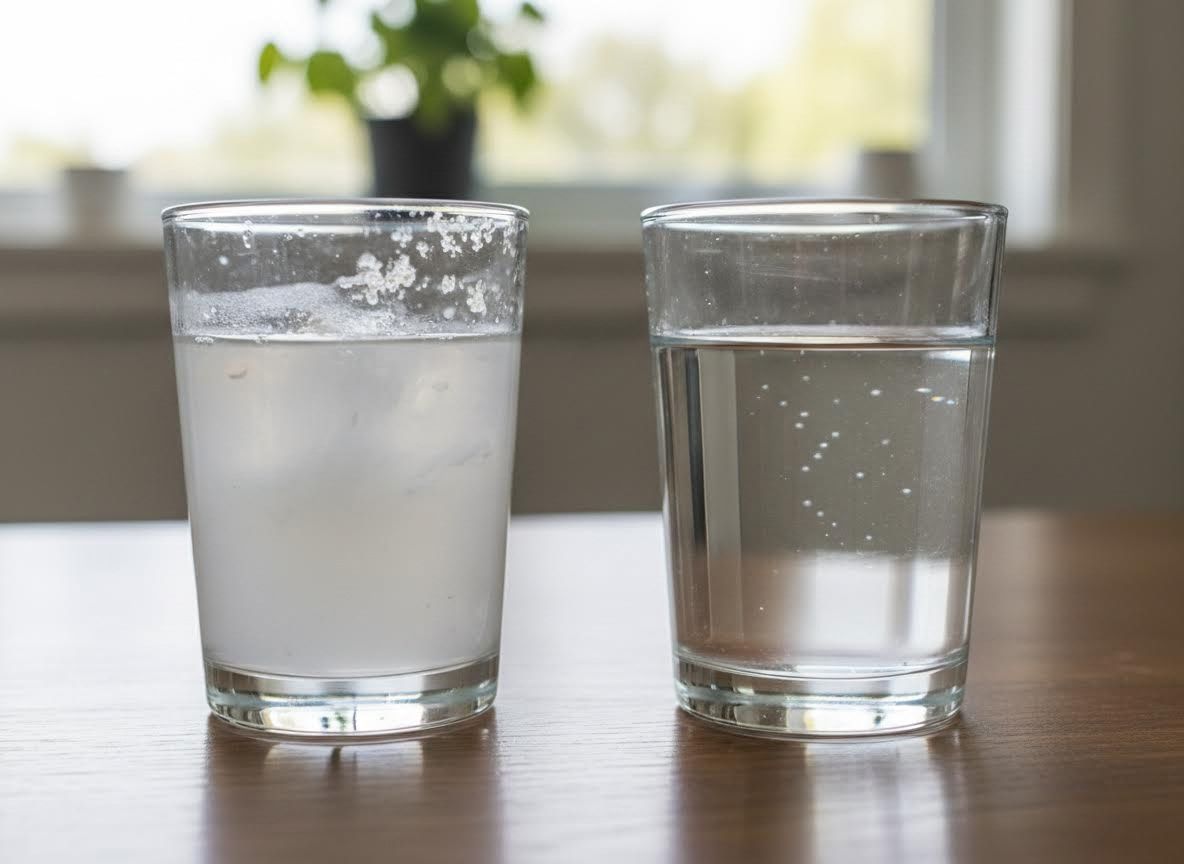
Understanding Hard Water and Its Prevalence in Texas
Hard water is essentially water that contains a high concentration of dissolved minerals, primarily calcium and magnesium. These minerals are naturally picked up as water travels through soil and rock, particularly limestone, which is abundant in much of Texas. While generally safe for consumption, hard water presents numerous challenges for mechanical systems and plumbing due to the accumulation of these minerals over time. The "hardness" of water varies significantly across regions, but many parts of our state are known for having moderately to very hard water, making it a crucial consideration for well owners.
The Impact on Your Water Well Pump
One of the most vulnerable components to hard water is your water well pump. As hard water is continuously pumped through the system, mineral deposits, commonly known as scale, can build up on the pump's internal parts. This accumulation can reduce the pump's efficiency, forcing it to work harder and consume more energy to deliver the same amount of water. Over time, scale can lead to mechanical failures, necessitating a well pump repair. Regular inspection and addressing signs of mineral buildup are critical for maintaining the longevity and optimal performance of your water well pump.
Hard Water's Toll on Plumbing and Appliances
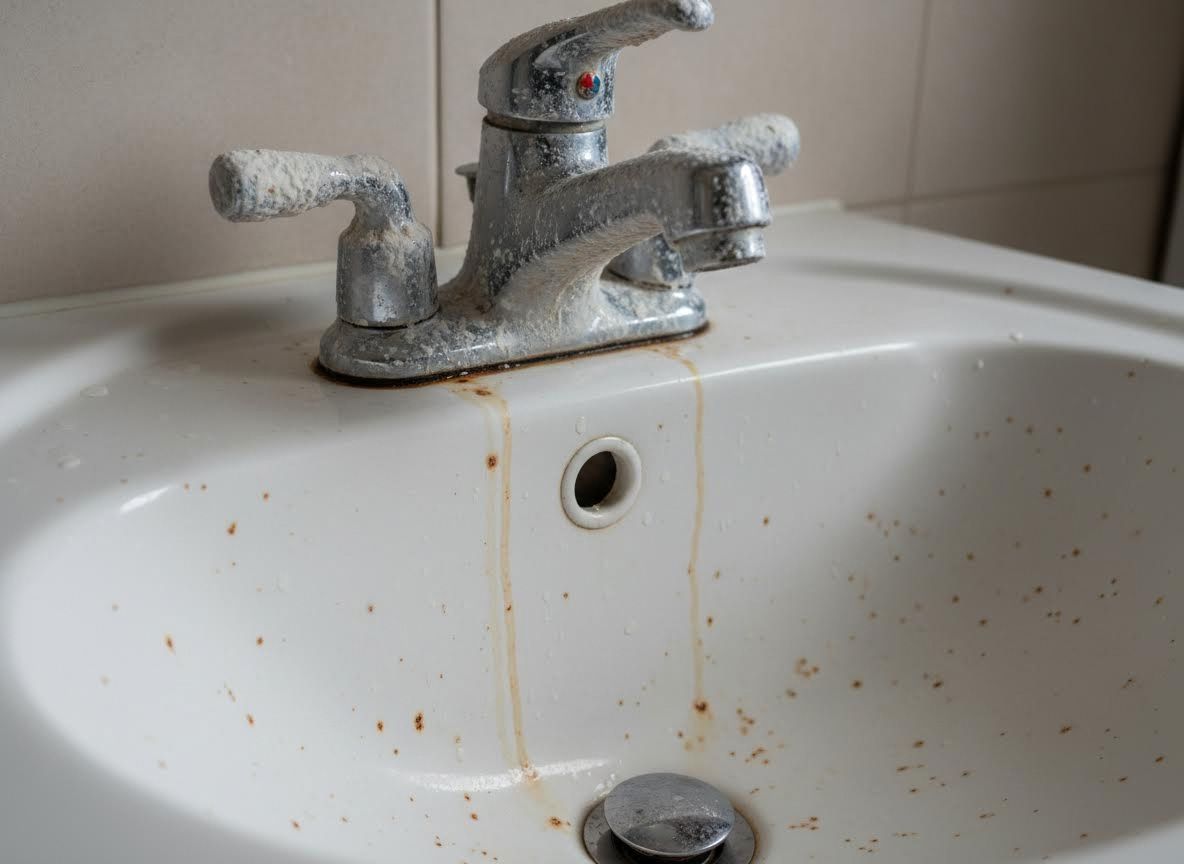
Beyond the pump, hard water wreaks havoc on your home's plumbing system and water-using appliances. The same mineral deposits that affect your pump can clog pipes, reduce water flow, and lead to unsightly stains on fixtures and dishes. Appliances like water heaters, washing machines, and dishwashers are also susceptible, experiencing reduced efficiency and a shorter lifespan as scale accumulates on heating elements and internal components. Addressing these issues often requires comprehensive residential well service to clean pipes, descale fixtures, and maintain appliance performance.
Solutions for Mitigating Hard Water Effects
Fortunately, there are effective solutions to combat the challenges posed by hard water. Investing in a quality well water filtration system is one of the most reliable ways to remove these problematic minerals before they can damage your water well pump, plumbing, and appliances. These systems can range from whole-house water softeners to specialized filters designed to target specific mineral content. Regular maintenance, including periodic testing of your water hardness and timely service, also plays a vital role in protecting your investment and ensuring a continuous supply of clean, soft water for your home.
Understanding the pervasive impact of hard water on your well system and home plumbing is the first step toward protecting your investment. By being proactive and implementing effective solutions, you can prevent costly damages and enjoy the benefits of cleaner, softer water. To learn more about assessing your water quality and available treatment options, reach out to Texas Well and Pump today.