
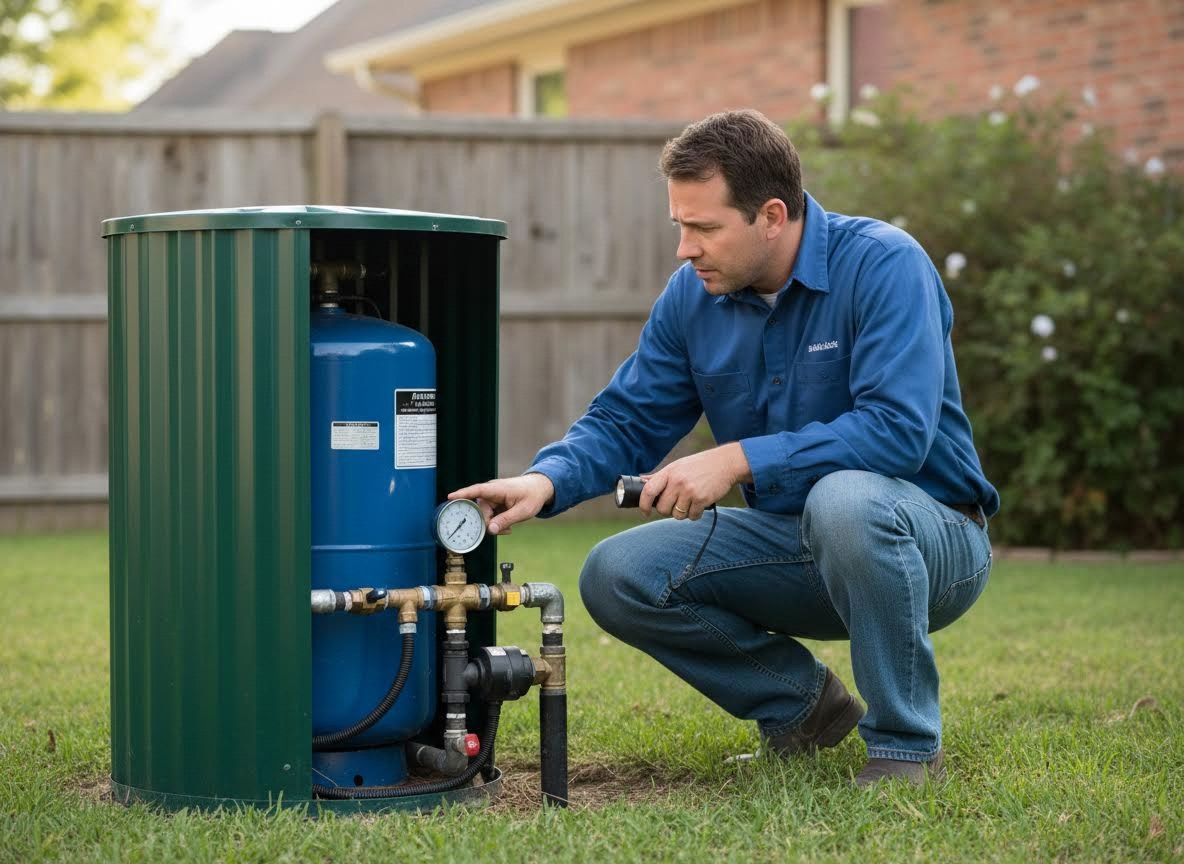
It can be incredibly frustrating to hear your water well pump constantly clicking on and off, a phenomenon known as short cycling. This frequent starting and stopping not only wastes energy but also puts undue strain on your water well pump, significantly shortening its lifespan. At Texas Well And Pump, we understand the concerns this raises for homeowners and are here to shed light on the common culprits behind this issue, helping you understand when it’s time to call in the experts.
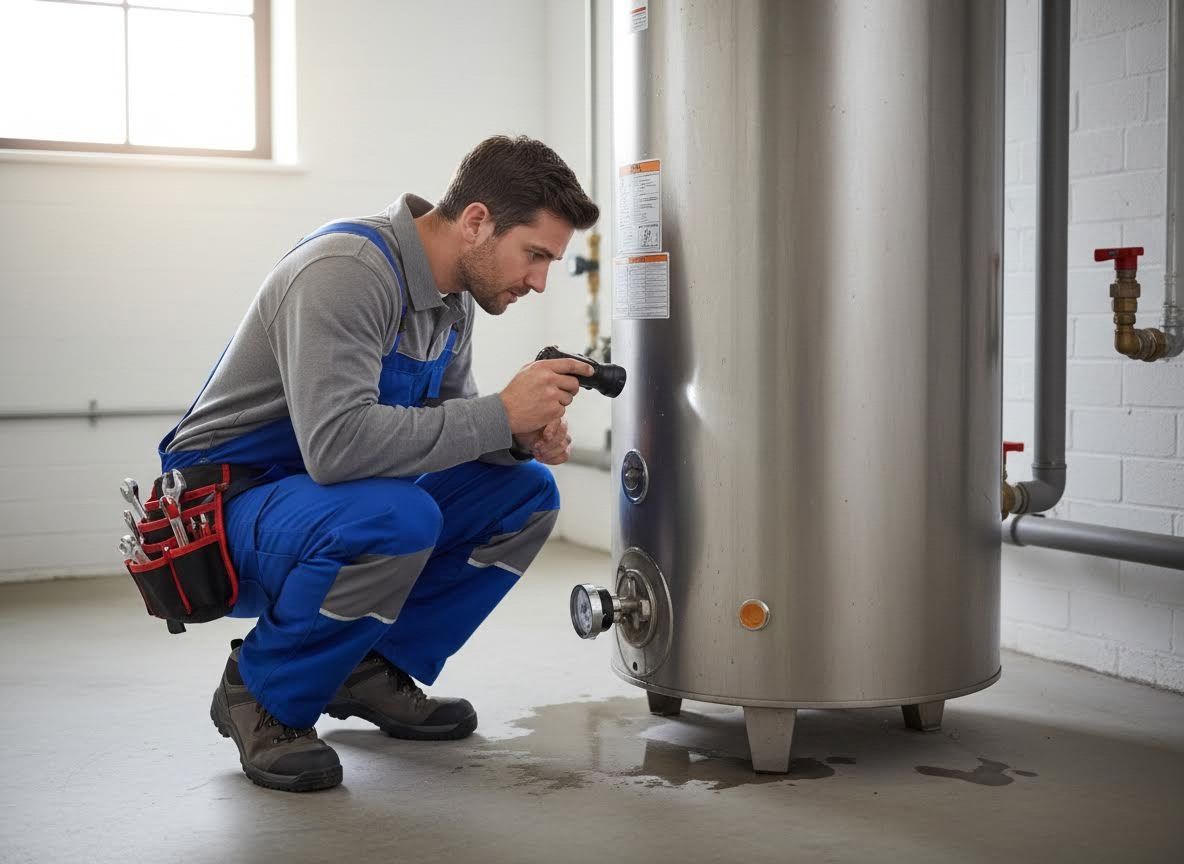
Pressure Tank Problems
One of the most common reasons a water well pump short-cycles is a problem with the pressure tank. The pressure tank is designed to store water under pressure, providing a buffer that prevents the pump from turning on every time you open a faucet. If the air charge in the tank is too low or the tank's internal bladder has failed, the tank becomes waterlogged. This means there's no air cushion to absorb the pressure changes, causing the pressure to drop rapidly and trigger the pump to restart almost immediately after it shuts off. Regular maintenance checks of your pressure tank are crucial to prevent this common problem.
Faulty Pressure Switch
The pressure switch is the brain of your water well system, monitoring the water pressure and telling the water well pump when to turn on and off. If this switch becomes clogged with sediment, corroded, or simply wears out over time, it can lead to inaccurate pressure readings. A faulty pressure switch might not allow the system to reach the designated cut-off pressure, or it could be excessively sensitive, causing the pump to cycle too frequently. This often requires careful inspection and adjustment or replacement, a task best left to professional residential well service technicians.
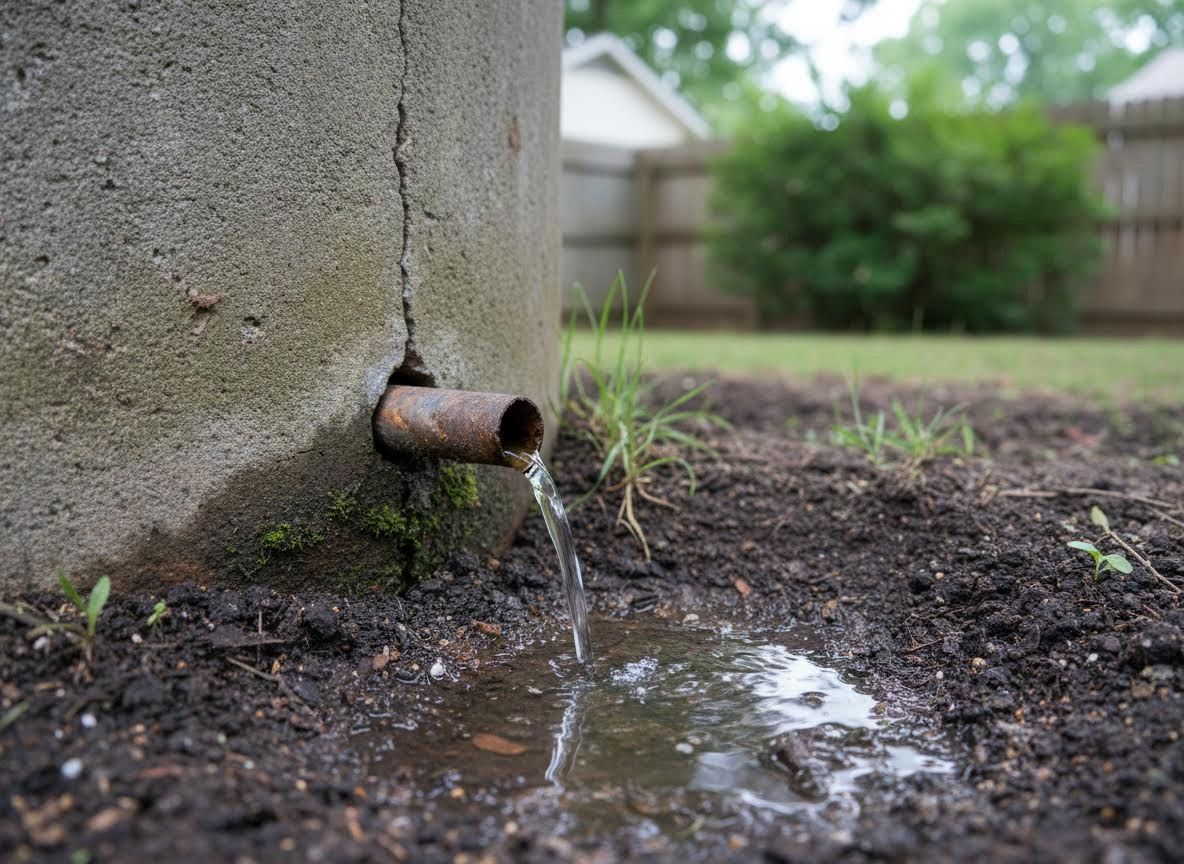
Leaks in Your Well System
Even a small, unnoticed leak in your home's plumbing or within the well system itself can cause a water well pump to short-cycle. As water slowly escapes from the system, the pressure gradually drops, prompting the pump to kick on to replenish it. This cycle repeats continuously as long as the leak persists. These leaks can be hidden underground in supply lines, inside walls, or even within the well casing. Identifying and repairing these leaks is essential not only to prevent short cycling but also to conserve water and avoid potential damage to your property.
Overall System Integrity and Maintenance
While specific components like the pressure tank and switch are primary suspects, the overall health and proper installation of your entire water well system play a role. Issues such as an improperly sized water well pump for your home's demand or sediment accumulation throughout the system can contribute to inefficient operation. During a comprehensive residential well service, professionals can assess all components, including your well water filtration system, to ensure everything is working in harmony. Sometimes, a component that isn't directly causing short cycling, such as a restrictive filter, can exacerbate the issue by hindering proper flow.
Understanding why your well pump might be short-cycling is the first step toward a lasting solution and maintaining a reliable water supply. Addressing this issue promptly can save you from costly water well pump repair down the line and ensure the longevity of your entire well system. If you're experiencing short cycling or any other concerns with your water system, Texas Well and Pump is ready to provide knowledgeable assistance and reliable solutions. For a thorough diagnosis and expert service, contact our team today.